The back story
Amber, soda and a tea that followed the emperor: Tokyo’s cafés, the back story
Japan’s first soda fountain, a 1948 coffee-only house and a tea that moved with the court.
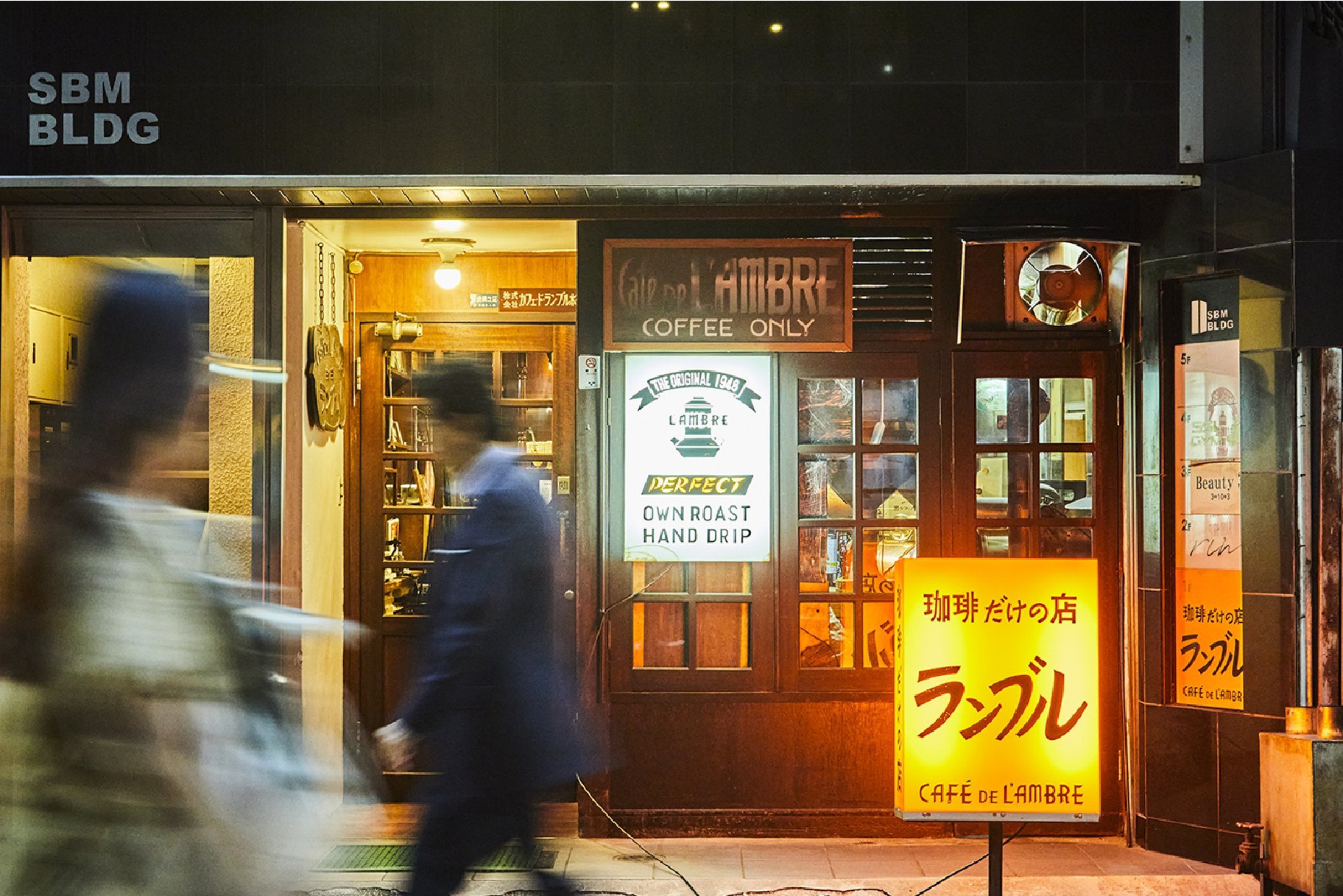
Photo Credit
Image courtesy of © Café de l’AmbreTokyo took to Western drinks with a pharmacist’s precision. In 1902 a Ginza dispensary opened Japan’s first soda fountain; in 1948 a coffee house nearby decided to serve nothing but coffee, and still does. Beside them stand a tea merchant dating from 1717 and a confectioner that followed the emperor to Tokyo. Why does so busy a city sit so still over a cup? The back story, checked against the houses’ own pages.
A soda fountain for geisha
Tokyo’s café culture began in a chemist’s shop. In 1872 Arinobu Fukuhara opened Japan’s first private Western-style dispensing pharmacy in Ginza, the business that became Shiseido. After the Paris Exposition of 1900 he came home through the United States, and in 1902 he added a soda fountain on the American drugstore model: Japan’s first, selling soda water and ice cream, both still rarities.
Fukuhara imported not only the machine but the glasses, straws, spoons and syrups. His first regulars were geisha from Shimbashi, and every glass of soda came with a bottle of the house lotion, Eudermine. Soda was also advertised as the perfect drink for the thirst of the tipsy: an early case of a pharmacy treating the symptoms of its own neighbourhood.
The fountain became Shiseido Parlour, and the parlour a landmark. The present Tokyo Ginza Shiseido Building, by the Spanish architect Ricardo Bofill, was completed in 2001 on the old parlour’s site, its red brick a nod to the Ginza Brick Town of the Meiji era. The ice cream is still made in a room only a few staff may enter, and the parfait still arrives among red walls and pink interiors.
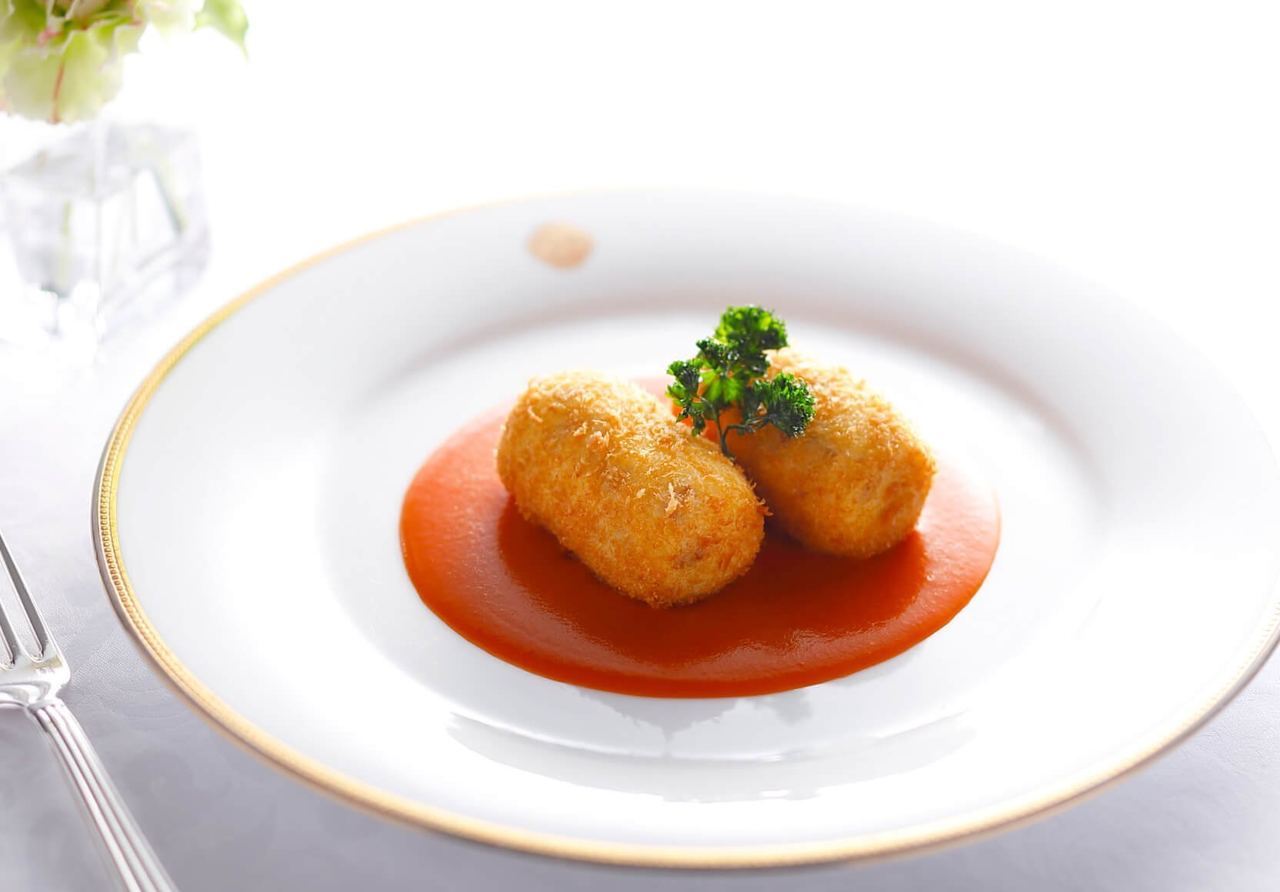
Photo Credit
Image courtesy of © Shiseido Parlour GinzaNothing but coffee
Café de l’Ambre took the opposite view: one drink, done properly. Since 1948 it has called itself a coffee-only shop, roasting its own beans and brewing through hand-sewn flannel filters. The aim, in its own words, is a clear cup without off-notes, the “clear amber colour” that gives the house its name, and the style, it says, has not changed since the day it opened.
Its most surprising speciality is patience: “old coffee”, beans kept for years, such as an Ethiopian Gesha Village of 2016 at ¥3,500. In most cities a ten-year-old coffee is a complaint; in Ginza it is a limited release. It also answers the question of why so busy a city sits so still over a cup: each house chose one thing, and declined to hurry it.
Tea that followed the emperor
Tea arrived with older credentials. Ippodo traces its origins to 1717, when Rihei Watanabe opened a Kyoto shop selling tea and ceramics; in 1846 Prince Yamashina named it Ippodo, “preserve one”, meaning one tradition: good tea. Its Tokyo Marunouchi store opened in 2010, and Ippodo Tea Marunouchi remains a calm room for matcha, gyokuro and sencha a few minutes from the station.
In most cities a ten-year-old coffee is a complaint; in Ginza it is a limited release.
Toraya is older still. The confectioner was founded in Kyoto in the late Muromachi period, has served the imperial court since the reign of Emperor Go-Yōzei (1586–1611), and in 1869, when the capital moved east, followed the emperor to Tokyo while keeping its Kyoto shop open. At Toraya Akasaka, the flagship, the café serves its sweets and a seasonal lunch.
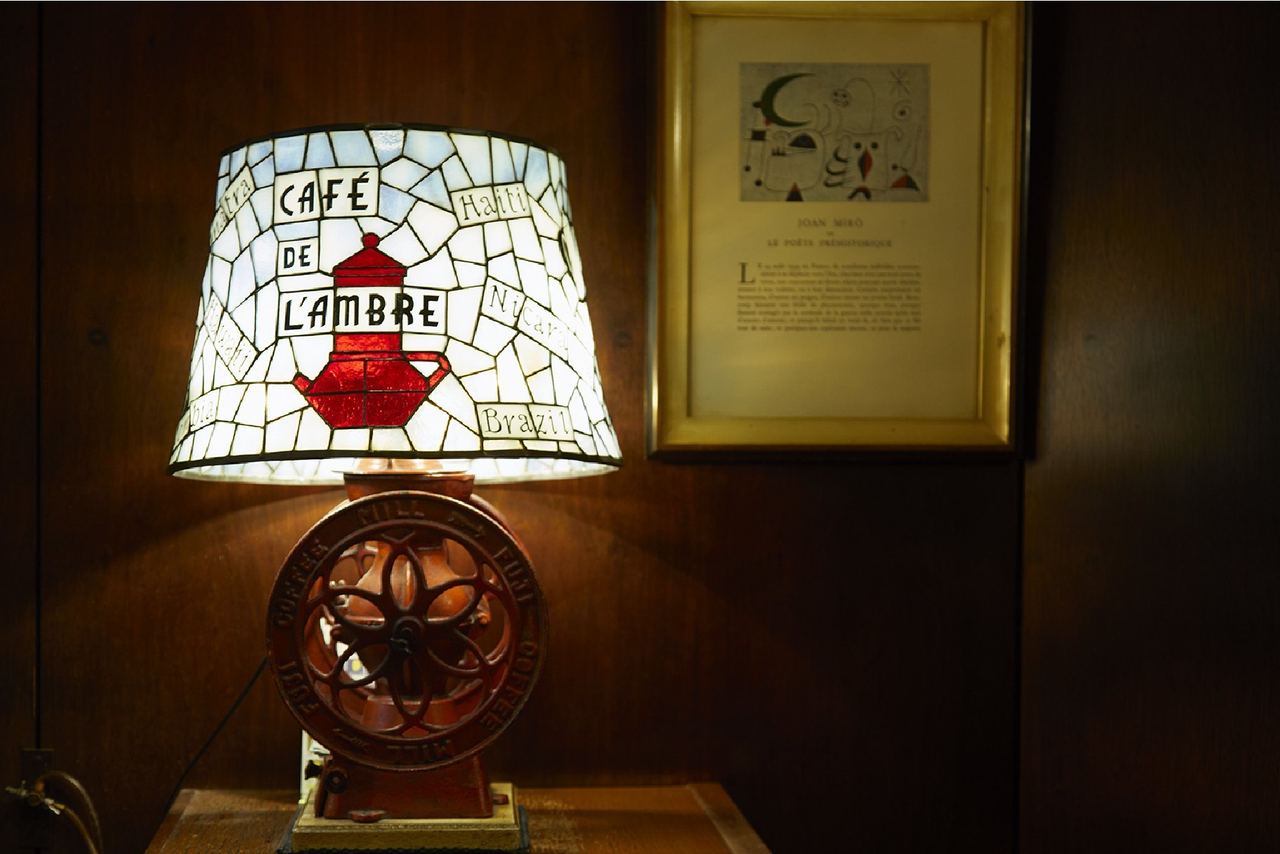
Photo Credit
Image courtesy of © Café de l’AmbreFruit, sweets and the new roasters
Sembikiya Sohonten began, improbably, as a bargain. In 1834 Benzō, a samurai from the village of Senbiki, hung out a sign in Edo offering cheap fruit; by 1887 the third generation had opened a fruit dining room, forerunner of the fruit parlour. The Nihonbashi house now sells its fruit in gift boxes and by the slice in its parlour. The bargain sign did not make it into the twentieth century.
East of the Sumida, Kiyosumi-Shirakawa shows the newer ritual. Blue Bottle Coffee Kiyosumi-Shirakawa, the company’s flagship café, seats 47 and opens 8am–7pm daily, while Koffee Mameya Kakeru promises “an extraordinary coffee experience” and takes bookings. In Tomigaya, Fuglen Tokyo carries the name of an Oslo café established in 1963: coffee by day, cocktails and vintage design later.
Our advice: take coffee at Café de l’Ambre in the afternoon, tea at Ippodo Tea Marunouchi before a museum, and keep Shiseido Parlour Ginza for the moment the day needs rescuing with a parfait. Book Koffee Mameya Kakeru ahead; elsewhere, walk in and join the queue, which in Tokyo is always orderly.
Why it's on our list
- A soda fountain for geisha
- Nothing but coffee
- Tea that followed the emperor
- Fruit, sweets and the new roasters
Location
The map comes from Google Maps, which sets its own cookies once it loads.
More in depth
 The back storySix seats, clear ice and a trench in Ebisu: Tokyo’s bars, the back storyHand-cut ice in Ginza, absinthe in Ebisu and 280 tiny bars in Golden Gai: how Tokyo drinks.
 The back storyWhere Tokyo sleeps: towers above the palace, ryokan and the new hillsTokyo’s finest hotels, and why the address matters.
 The back storyOld Edo and the new city: Tokyo’s great sightsThe great sights, from Sensō-ji to teamLab, without wearing yourself out.