The back story
Six seats, clear ice and a trench in Ebisu: Tokyo’s bars, the back story
Hand-cut ice in Ginza, absinthe in Ebisu and 280 tiny bars in Golden Gai: how Tokyo drinks.
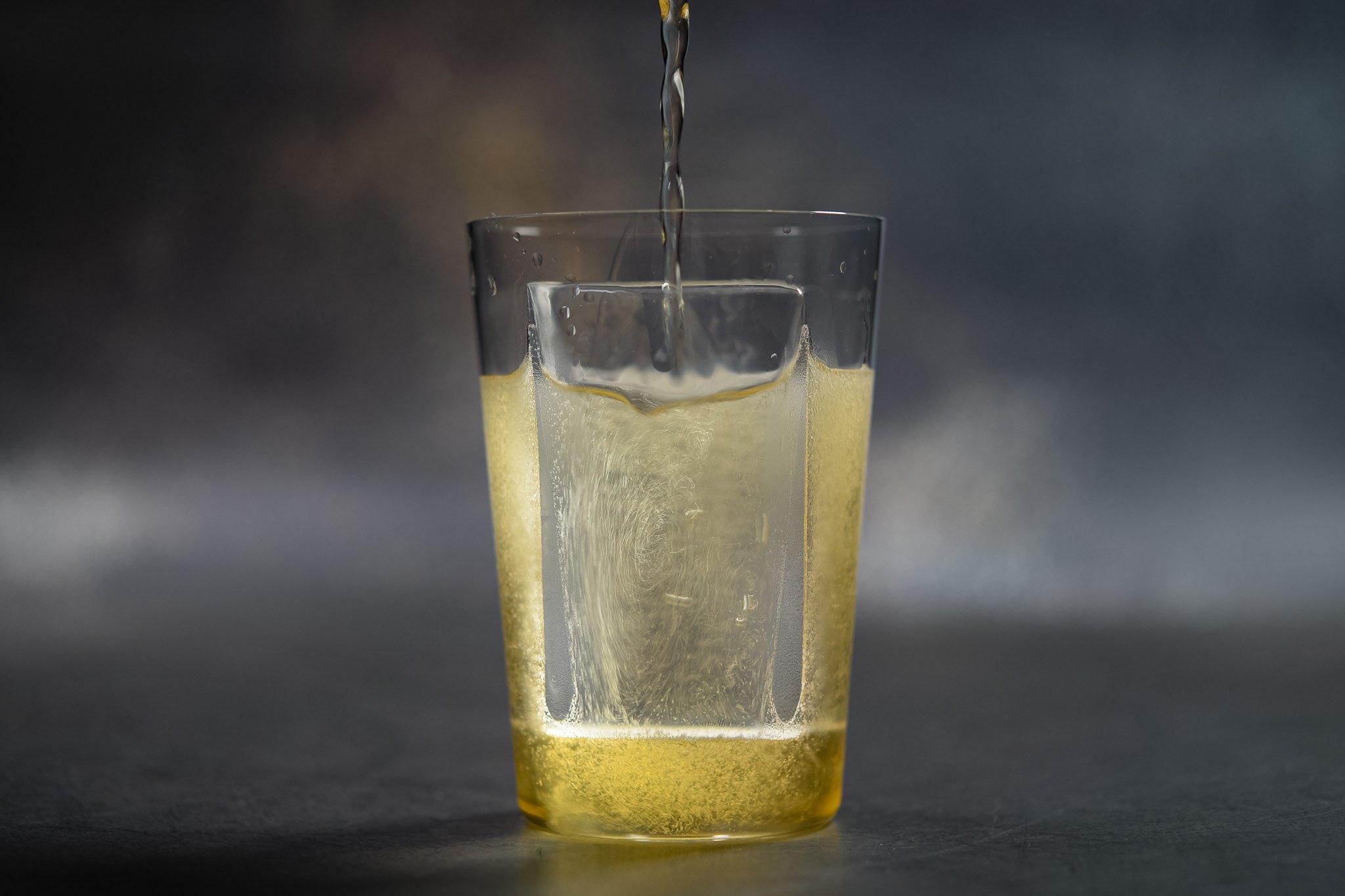
Photo Credit
Image courtesy of © Star Bar GinzaTokyo drinks in miniature. A Ginza basement cuts ice so clear it seems to vanish; an Ebisu bar the size of a corridor calls itself a trench; and in Shinjuku’s Golden Gai around 280 bars share six rows of alleys, many seating five or six. Why does a city of skyscrapers prefer such small rooms? The back story of Tokyo’s drinking culture, checked against the bars’ own pages and the city’s tourism bureau.
Ice, and the art of the pour
Tokyo drinks on two scales: the hushed basement in Ginza, where a single cocktail can last as long as a conversation, and the Shinjuku alley where half a dozen strangers share one counter. Both are rituals of precision, and both happen in rooms far smaller than a visitor expects. Why does a city of skyscrapers prefer to drink in spaces barely larger than a lift?
Star Bar Ginza, in the basement of Moderns Ginza at 1-5-13 Ginza, makes its case with ice. The bar hand-cuts its ice for function as much as beauty, and calls one style NINJA ICE, so clear that it seems to vanish from the glass; Star Bar says it was the first. Every seat is non-smoking. A drink here is less mixed than assembled, the way a watch is.
The trench and the club
In Ebisu, Bar Trench opened in 2010 as the second bar of Bar Tram: a tiny black room behind glass on a back street, stocked with herbal liqueurs and absinthe. The name is meant literally. The bar calls itself a city trench, somewhere to take cover for a while, plan the next move with friends and recover your strength, which is as honest a description of a cocktail bar as any.
It opens 6pm–2am every day and takes no reservations. Smoking is not allowed inside, only in the private space just in front of the door, and since seats are few the bar asks guests to come in small groups.
The SG Club, in Shibuya, belongs to the SG Group of the bartender Shingo Gokan, who won the Bacardi Legacy competition in 2012, representing the United States, and was named International Bartender of the Year at Tales of the Cocktail in 2017. The group designs its own glassware and makes its own shochu, and The SG Club is one of the few of its bars that take bookings.
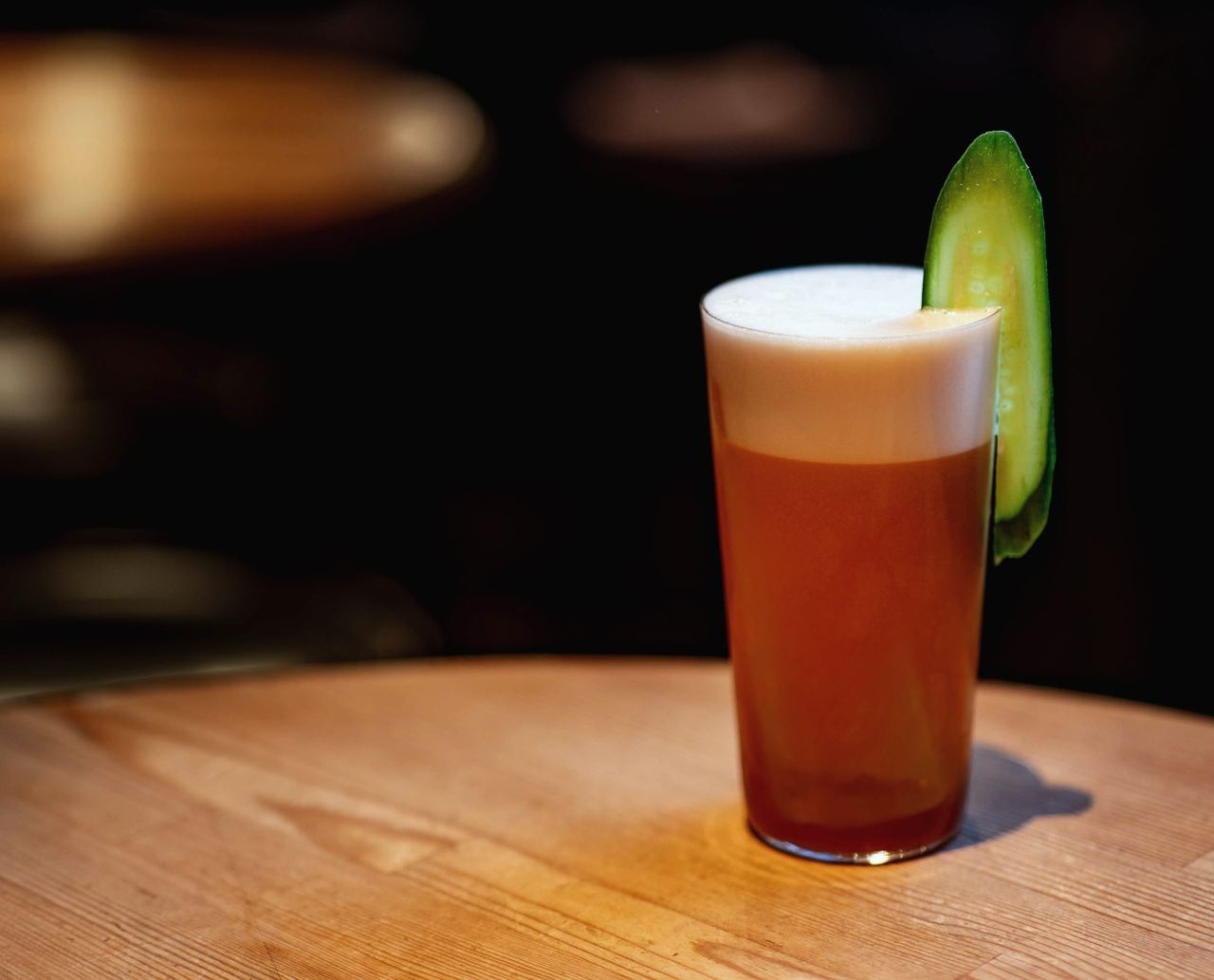
Photo Credit
Image courtesy of © Bar TrenchSix seats and a smoky alley
Shinjuku keeps the opposite tradition. Golden Gai, a red-light district just after the Second World War, packs around 280 bars into a tight block of six rows of alleys and keeps, the city’s tourism bureau says, the atmosphere of the early 1950s. Many bars seat only five or six; some are for members only, others open to everyone, and most open around 8pm.
In a bar for six, the other five are the entertainment.
The lanes are private roads, so photographing or filming them needs the local merchants’ association’s permission, and visitors are asked not to drink or smoke in the street. The rules make sense once you are inside: in a bar for six, the other five are the entertainment.
Beside Shinjuku station, Omoide Yokochō fits about 80 shops, some 60 of them places to eat and drink, mostly motsu-yaki and yakitori grills, onto one narrow plot. Expect the izakaya customs that Tokyo’s visitor bureau describes: a small otōshi dish on arrival, charged as a seat fee of around 200–1,000 yen, a draft beer to start, “toriaezu nama”, and a bill that is rarely itemised.
So the question answers itself: Tokyo drinks small because a small room lets the bartender, or the counter, set the pace. The one district where the pace is set for you is Kabukichō, which the tourism bureau calls a maze of hotels and night-time revelry. Ignore the street touts offering bars, and choose your own door.

Photo Credit
Image courtesy of © Dick Thomas Johnson from Tokyo, Japan · CC BY 2.0 via Wikimedia CommonsOur advice: start at Star Bar Ginza while you are still precise, move to Bar Trench when you want conversation, and end in Golden Gai at a bar that welcomes visitors. Expect a seat charge at the lanes, leave no tip, and say thank you on the way out; it is the only gratuity anyone expects.
Why it's on our list
- Ice, and the art of the pour
- The trench and the club
- Six seats and a smoky alley
- Choosing your own door
Location
The map comes from Google Maps, which sets its own cookies once it loads.
More in depth
 The back storyWhere Tokyo sleeps: towers above the palace, ryokan and the new hillsTokyo’s finest hotels, and why the address matters.
 The back storyOld Edo and the new city: Tokyo’s great sightsThe great sights, from Sensō-ji to teamLab, without wearing yourself out.
 History & heritageTokyo: history and heritageEdo Castle, the merchants, 1868, the 1923 earthquake and the modern city.