Interiors with Tara de la Motte · Tokyo edition
Tokyo walls: paper, plaster and wood
Washi paper, plaster, wood and screens: walls in a Tokyo home, and where to find the materials.
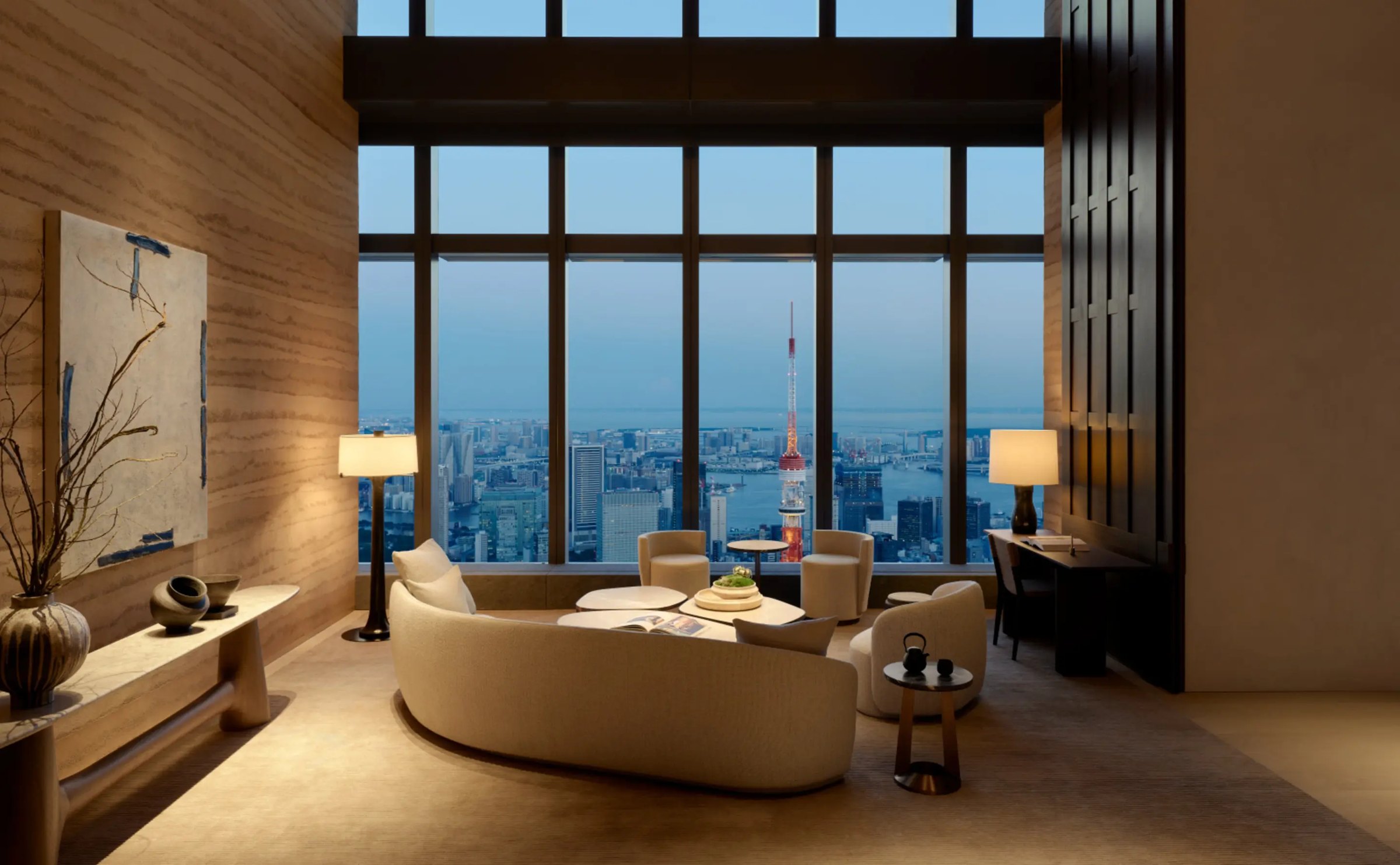
Photo Credit
Image courtesy of © AmanJapanese walls are often not walls at all but screens of paper and wood that slide away. Tara de la Motte on paper, plaster and wood in a Tokyo home, and on the Tokyo museums that show them at their best.
In a Japanese house a wall is a suggestion: slide it aside and the room becomes something else. Tokyo’s best interiors use paper, plaster and wood with a quiet confidence.
Walls that move
Fusuma, opaque sliding panels covered in paper or cloth, divide rooms and can be lifted out to make one large space. Shoji, paper on a wooden lattice, let soft light through. In a small Tokyo apartment, sliding doors save the space a swinging door needs.
Washi
Japanese paper, washi, has been made in Japan for centuries, and Ozu Washi in Nihonbashi has sold it since 1653. A single panel of handmade paper on a wall, or a screen in front of a window, brings texture and soft light.
In a Japanese house, a wall is a suggestion. Slide it aside and the room becomes something else.
Plaster and wood
Earth and lime plasters, often in warm, textured finishes, and pale woods are the backbone of Japanese interiors. At Aman Residences, Tokyo, walls of textured plaster and wood frame a view of Tokyo Tower: the materials do all the decorating.
Learn from the houses
The Edo-Tokyo Open Air Architectural Museum in Koganei Park has about thirty rebuilt historic buildings, some with interiors you can look into. The Asakura Museum of Sculpture in Yanaka is the sculptor’s own studio-home. And the Tokyo Metropolitan Teien Art Museum, a former residence completed in 1933, has main rooms designed by Henri Rapin and glass-relief doors by René Lalique in its entrance hall.
Questions and answers
Where can you see historic Japanese interiors in Tokyo?
At the Edo-Tokyo Open Air Architectural Museum in Koganei Park and the Asakura Museum of Sculpture in Yanaka.
What is washi?
Traditional Japanese paper; Ozu Washi in Nihonbashi has sold it since 1653.
Why it's on our list
- Walls that move
- Washi
- Plaster and wood
- Learn from the houses
Location
The map comes from Google Maps, which sets its own cookies once it loads.
More in depth
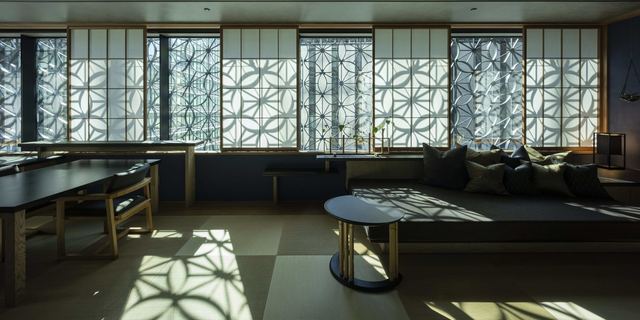 Interiors with Tara de la Motte · Tokyo editionDressing Tokyo windows: shoji, screens and the viewShoji, curtains and blinds for Tokyo windows, from paper screens to towers of glass.
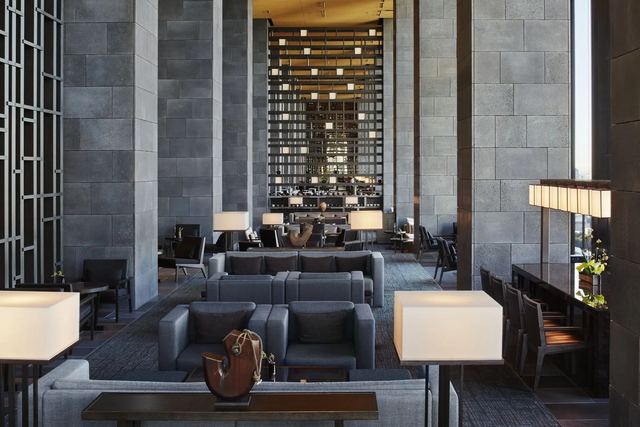 Interiors with Tara de la Motte · Tokyo editionDark and handsome: deep colour in a Tokyo homeCharcoal, stone and dark wood: why deep tones suit Tokyo interiors, and where to use them.
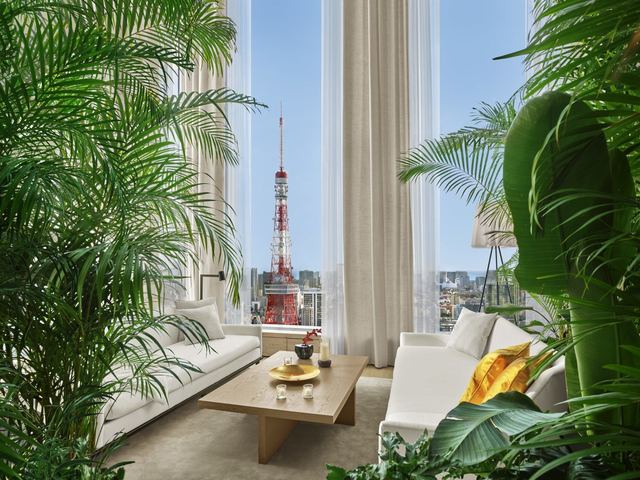 Interiors with Tara de la Motte · Tokyo editionThe best seats in a Tokyo home: sofas, chairs and the low tableSofas, chairs, low tables and dining tables for Tokyo homes, and where to sit before you buy.