Interiors with Tara de la Motte · Tokyo edition
The Tokyo bedroom: futon, tatami and rest
A calm Tokyo bedroom, from the futon on tatami to the Western bed, and how to keep it peaceful.
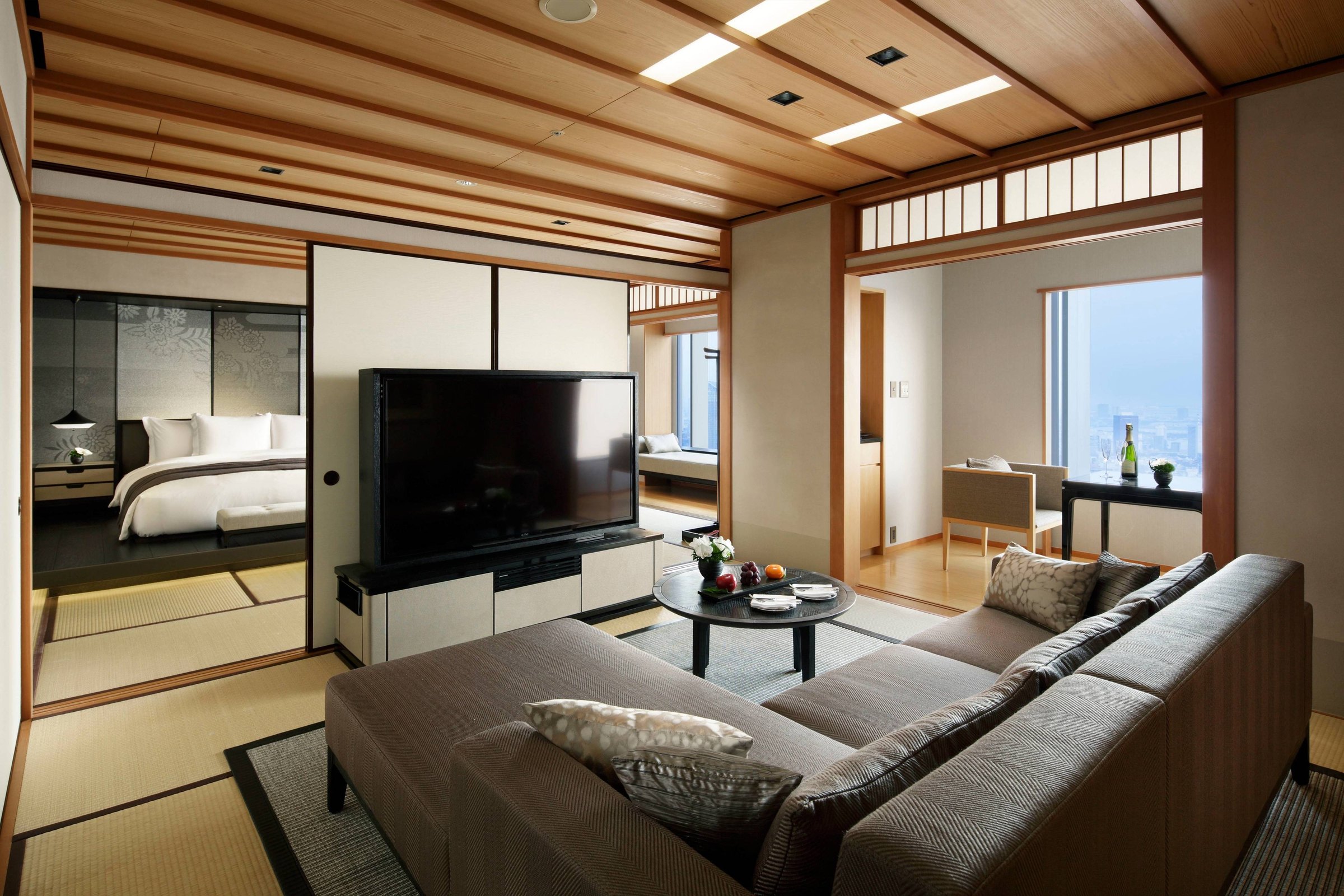
Photo Credit
Image courtesy of © The Ritz-Carlton, TokyoIn a traditional Japanese home, the bedroom becomes a living room by day: the futon is folded away and the tatami room is free again. Tara de la Motte on the Tokyo bedroom, futon or bed, and the art of a room that does one thing well.
A futon folded away each morning is one of the most elegant ideas in domestic life: it makes the bedroom disappear. Tokyo homes still use it, alongside Western beds, and both have something to teach.
Futon or bed
In a traditional room, the futon is laid on tatami at night and stored in a cupboard by day, so the same room can be bedroom, living room and dining room. Many Tokyo apartments now have one Western bedroom and one tatami room, the best of both.
The bed first, still
If you choose a bed, Tara’s rule still applies: choose the bed first and build the room around it. In the Japanese suite at The Ritz-Carlton, Tokyo, a low bed sits beyond sliding screens, separate from the tatami sitting room: a calm, layered plan.
Dressing the bed
Cotton and linen suit Tokyo’s humid summers; a light wool throw is enough for most winters. Keep the bed low and simple, and resist the cushion mountain.
A Japanese futon, folded away each morning, is the most elegant storage solution ever invented: it makes the bedroom disappear.
A room that changes
Sliding fusuma screens, opaque and removable, let one large room become two at night. Shoji, paper on a wooden lattice, let soft light through. Both are a lesson in flexible space for small homes anywhere.
Nothing else
Keep work and screens out. In a city as busy as Tokyo, a room with nothing in it but a bed and soft light is the greatest luxury.
Questions and answers
What is a futon in Japan?
A mattress and quilt laid on tatami at night and folded into a cupboard by day, so the room can be used for living.
What is the difference between shoji and fusuma?
Shoji are paper on a wooden lattice and let light through; fusuma are opaque sliding panels that divide rooms and can be lifted out.
Why it's on our list
- Futon or bed
- The bed first, still
- Dressing the bed
- A room that changes
- Nothing else
Location
The map comes from Google Maps, which sets its own cookies once it loads.
More in depth
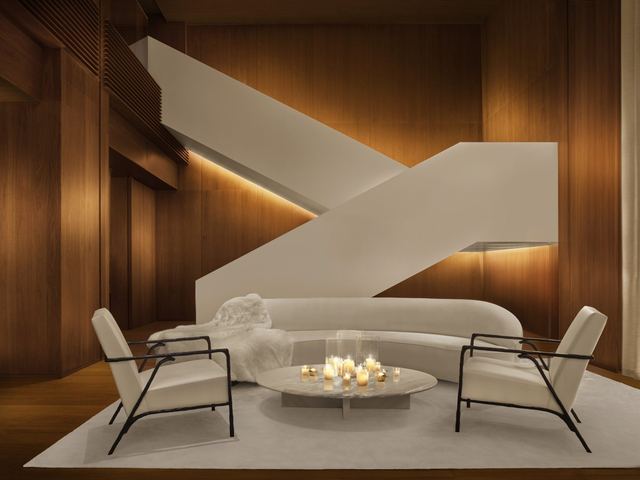 Interiors with Tara de la Motte · Tokyo editionLighting a Tokyo room: paper, wood and a soft glowLayers of soft light for Tokyo homes, from paper lanterns to warm lamps.
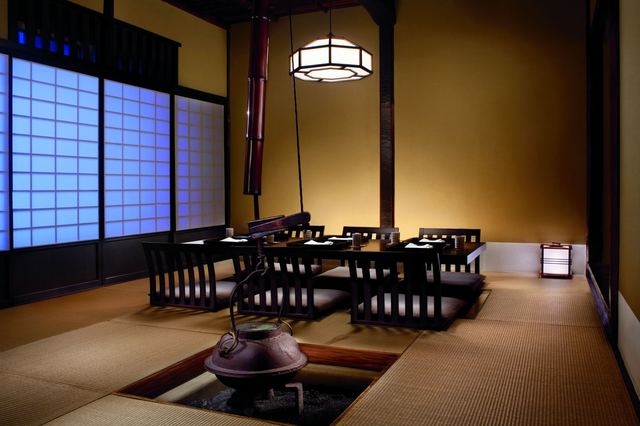 Interiors with Tara de la Motte · Tokyo editionTokyo floors: tatami, wood and the shoes-off ruleTatami, wood and the genkan: floors in a Tokyo home, where shoes come off at the door.
 Interiors with Tara de la Motte · Tokyo editionTokyo walls: paper, plaster and woodWashi paper, plaster, wood and screens: walls in a Tokyo home, and where to find the materials.