Objects of Desire
Oak, a pyramid and a vineyard: how Tokyo learned to listen
Suntory Hall’s vineyard terraces and Opera City’s oak shoebox: two answers to one question.
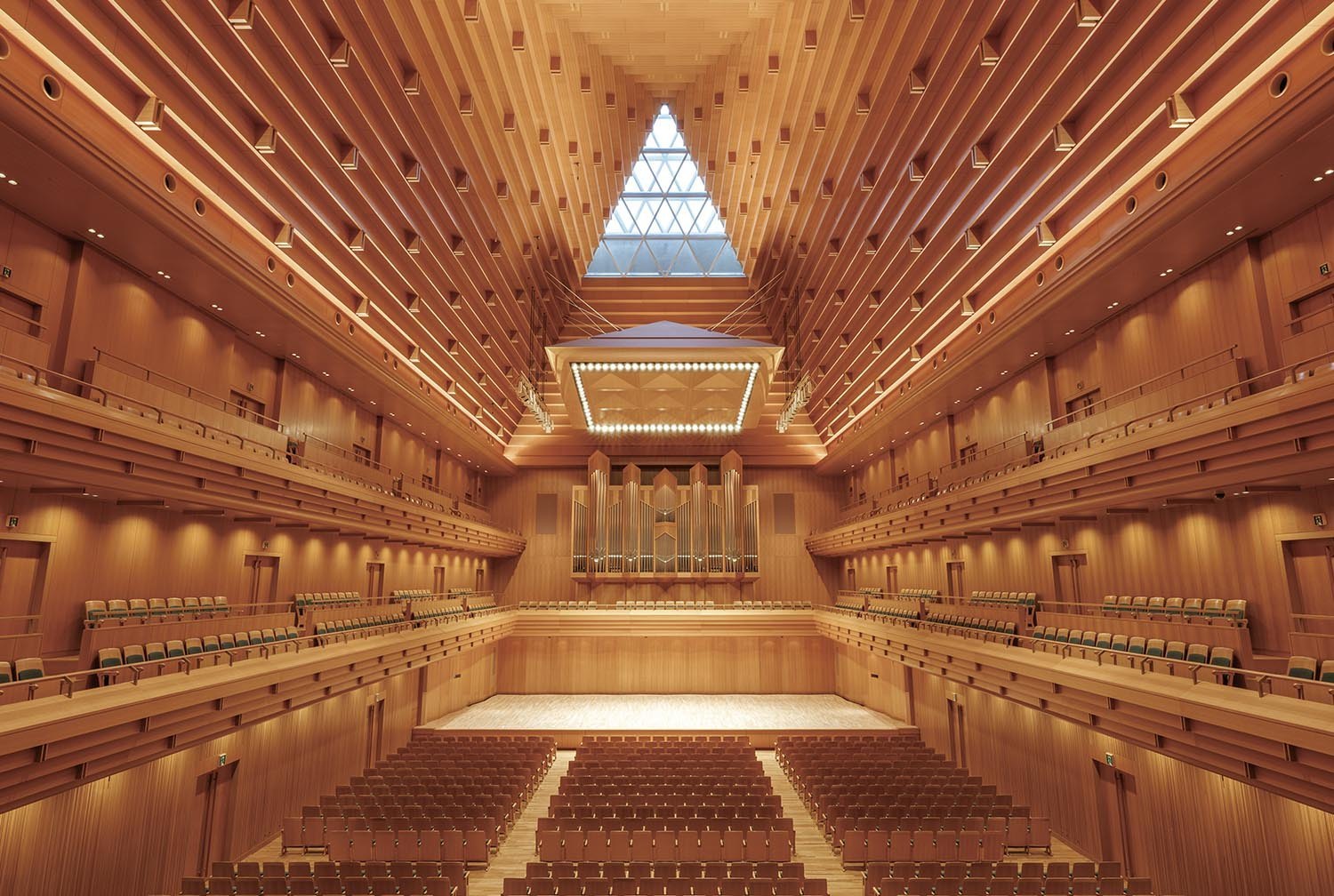
Photo Credit
Image courtesy of © Tokyo Opera CityIs a concert hall a room or an instrument? Tokyo built one of each answer. Suntory Hall, opened in 1986, seats its audience in vineyard terraces facing the stage; Tokyo Opera City’s Takemitsu Memorial, opened in 1997, is a tall shoebox lined in oak under a pyramid ceiling. Here is how the two sound, and why, checked against the halls’ own pages in November 2026.
The vineyard in Akasaka
Suntory Hall opened in 1986 in Ark Hills, Akasaka, as the first concert hall in Tokyo built for classical music alone. Its designers chose the vineyard style over the shoebox that had ruled since the nineteenth century: the seats rise in terraces facing the stage, as vines face the sun. Herbert von Karajan argued for the design and attended the acoustic tests.
He later called it a “jewel box of sound”, the kind of review a hall can live on for decades. The vineyard places the audience around the orchestra rather than in rows before it, so the music feels less performed at you than shared with you, and the conductor has nowhere to hide.
A shoebox under a pyramid
Eleven years later Tokyo answered with the opposite shape. Tokyo Opera City Concert Hall: Takemitsu Memorial opened on 10 September 1997 with Bach’s St Matthew Passion, played by the Saito Kinen Festival Orchestra under Seiji Ozawa. It is a shoebox, the form the hall itself calls acoustically the best, under a bold pyramid ceiling, with its interior lined in oak.
The hall is 27.6 metres high, 20 metres wide and 41.4 metres deep, seats 1,632 and has an occupied reverberation time of 1.95 seconds. Leo Beranek was its acoustic adviser, and the hall describes itself as a giant instrument with tight bass and a mellow, lustrous tone. Daylight falls from a skylight above: a cathedral of oak, with better sightlines.
The name is a memorial. The composer Toru Takemitsu (1930–1996), artistic director of the hall’s foundation, advised on its basic concept and was to supervise the opening concerts, but died before the inauguration. A relief of him has the central place in the three-storey foyer, beneath tapestries titled Amplification.
An organ of 3,826 pipes
The pipe organ dominates the front of the hall from the first balcony. Built by Orgelbau Kuhn of Switzerland with Yamaha, it has 3,826 pipes and 54 stops, mechanical key action and 800 memory combinations. Some 26 seats sit in front of it, the nearest anyone comes to sitting inside an instrument without being asked to tune it.
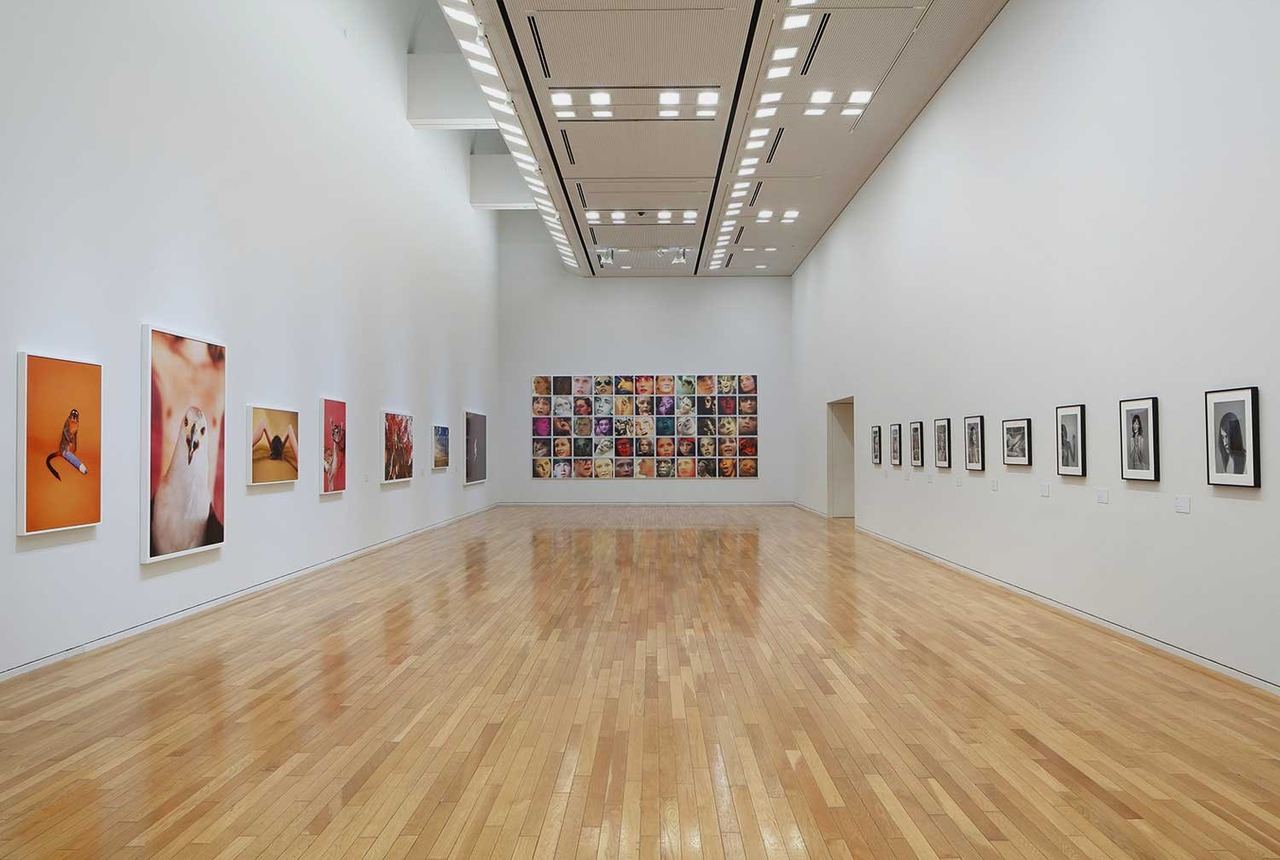
Photo Credit
Image courtesy of © Tokyo Opera CityThe foyer rises three storeys, 11.3 metres, with buffet counters on two levels, so the interval drink is part of the architecture. The stage is 17.1 to 19.5 metres wide and 9 metres deep, with a 1.9-metre front extension for the occasions when an orchestra needs a little more room to breathe. Backstage wait eight private dressing rooms, two with pianos and two with baths: the soloist’s side of the oak.
A cathedral of oak, with better sightlines.
The piano store is no less serious: three Steinway D274s and a Bösendorfer 290, with a French double-manual harpsichord by Von Nagel. B→C, the hall’s own recital series, travels from Bach to contemporary music in the smaller Recital Hall, which suits a building named after a composer who wrote for both. The foundation also runs the Toru Takemitsu Composition Award, so the hall commissions its future as well as performing its past.
So, room or instrument? Tokyo’s answer is both, and you can test it in a week: a symphony in the terraces of Suntory Hall, then a recital or an organ programme under Opera City’s oak. The difference is audible from the first chord, which is the best argument for hearing both. Opera City also houses the Tokyo Opera City Art Gallery, so a matinee can begin among paintings and end among pipes.
Our advice: at Tokyo Opera City, sit in the balconies to hear the organ fill the room; at Suntory Hall, any terrace will do, since they all face the stage. Check each hall’s own calendar for the month you travel, and book early for the big orchestras. Opera City is at 3-20-2 Nishi-Shinjuku; Suntory Hall is in Ark Hills, Akasaka, an easy taxi ride apart.
Why it's on our list
- The vineyard in Akasaka
- A shoebox under a pyramid
- An organ of 3,826 pipes
Location
The map comes from Google Maps, which sets its own cookies once it loads.
More in depth
 Objects of DesireArt that never repeats itself: teamLab in Azabudai and ToyosuteamLab Borderless, a museum without a map, and Planets, where you wade knee-deep through art.
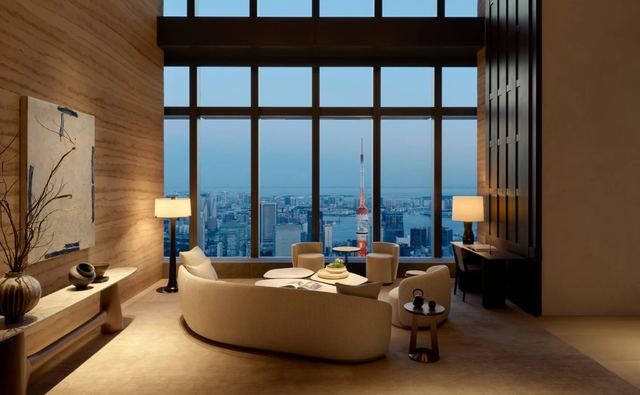 Objects of DesireA village stood on end: Azabudai Hills and Tokyo’s new tower homesAbout eight hectares of garden district, a 330-metre tower and Japan’s highest homes. No prices.
 Objects of DesireSixty millilitres and a stir: the Dry Martini in TokyoThe IBA’s Dry Martini, word for word, and the Tokyo bars that take the stir as seriously as the gin.