The Fitting Room
From kimono drapers to department stores: how Tokyo learned to sell a suit
Echigoya’s fixed prices, Isetan’s men’s building and a two-suit sale: Tokyo’s tailoring back story.

Why are Tokyo’s grandest department stores still the first stop for a suit? Because most of them began as kimono drapers. Echigoya opened in 1673 and became Mitsukoshi; Isetan began in 1886 as a kimono and cotton-goods shop. Here is how cloth merchants became the city’s fitting rooms, and where to shop them now, checked against the companies’ own histories in November 2026.
A draper with fixed prices
In August 1673 Mitsui Takatoshi opened a kimono shop called Echigoya in Edo’s Honchō. The name came from his grandfather, a samurai who had styled himself lord of Echigo. In 1683 the shop moved to Surugachō, its present site in Nihonbashi, under two slogans: cash at the counter with no mark-up, and cloth sold in any length, however small.
Mitsukoshi, as Echigoya became, calls this the world’s first fixed-price selling, and the idea was radical in a trade built on haggling. It also explains why a Tokyo department store still feels like a draper’s at heart: prices on the tag, and the willingness to cut you exactly as much cloth as you need.
The department store declared
In October 1900 the Nihonbashi store abolished the old seated selling, where goods were brought out to customers kneeling on tatami, and opened the whole building as a display floor. By 10am some 8,500 people had crowded in and the doors had to be shut. In 1904 the company issued its Department Store Declaration and became Japan’s first department store.
In 1914 came a Renaissance-style building with lion statues and Japan’s first escalator. The company set up its own sewing factory in 1948, and in 1950 wrapped its parcels in Hana Hiraku, red-and-white paper by the painter Genichiro Inokuma; the English lettering on it was drawn by Takashi Yanase, then working in the store’s publicity department.
Isetan has a parallel story. On 5 November 1886 Kosuge Tanji opened Iseya Tanji Gofukuten, a shop for kimono and cotton goods, in Kanda. After the Great Kantō Earthquake it turned itself into a department store, opened its Shinjuku main store in 1933, and in 1968 gave men a building of their own, the Men’s New Building: a whole building for the jacket and tie.
Where to be measured now
The habit holds. At Nihombashi Takashimaya, an easy-made sale of two suits runs from 25 November to 7 December 2026, the semi-bespoke middle way between the rail and the tailor; on the store’s own calendar, an exhibition of Ushikubi tsumugi, a kimono silk, runs from 25 November to 1 December.
The first fitting room in Tokyo was a kimono counter, and the habit never left.
For the other end of the wardrobe, Dover Street Market Ginza stacks seven floors of designer fashion, with new pieces from Comme des Garçons and a Rose Bakery for the moment your feet give out. Ginza Mitsukoshi, the old draper’s Ginza branch, has been open since April 1930.
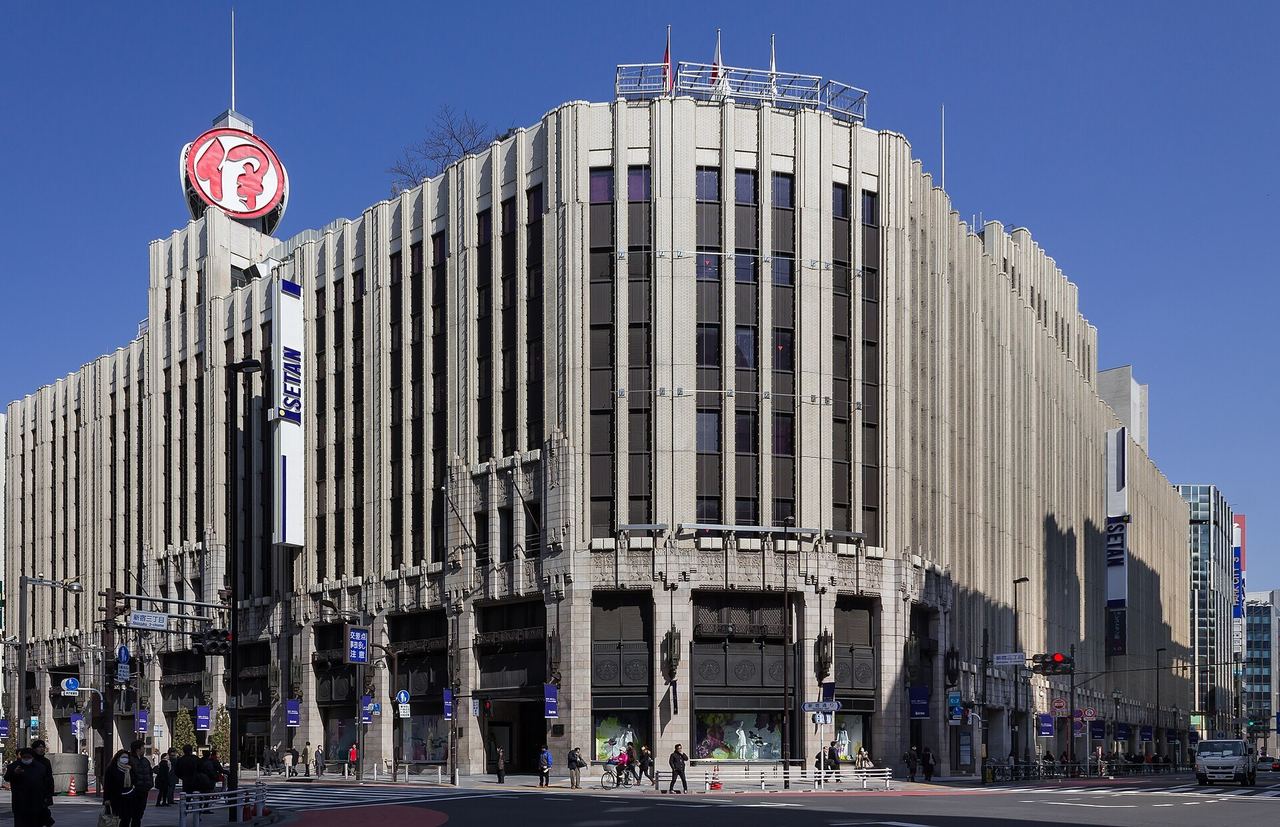
Photo Credit
Image courtesy of © Kakidai · CC BY-SA 3.0 via Wikimedia CommonsSo the answer to our question is continuity. Tokyo’s department stores never stopped being cloth merchants; they simply added escalators.
Mitsukoshi even gave its name to a subway station: Mitsukoshimae opened in 1932 with a direct link to the store’s basement, and in 1935 the Nihonbashi store installed a pipe organ in its central hall. A visitor who wants a suit, a kimono fabric and a gift wrapped in paper designed by a painter can still find all three under one roof.
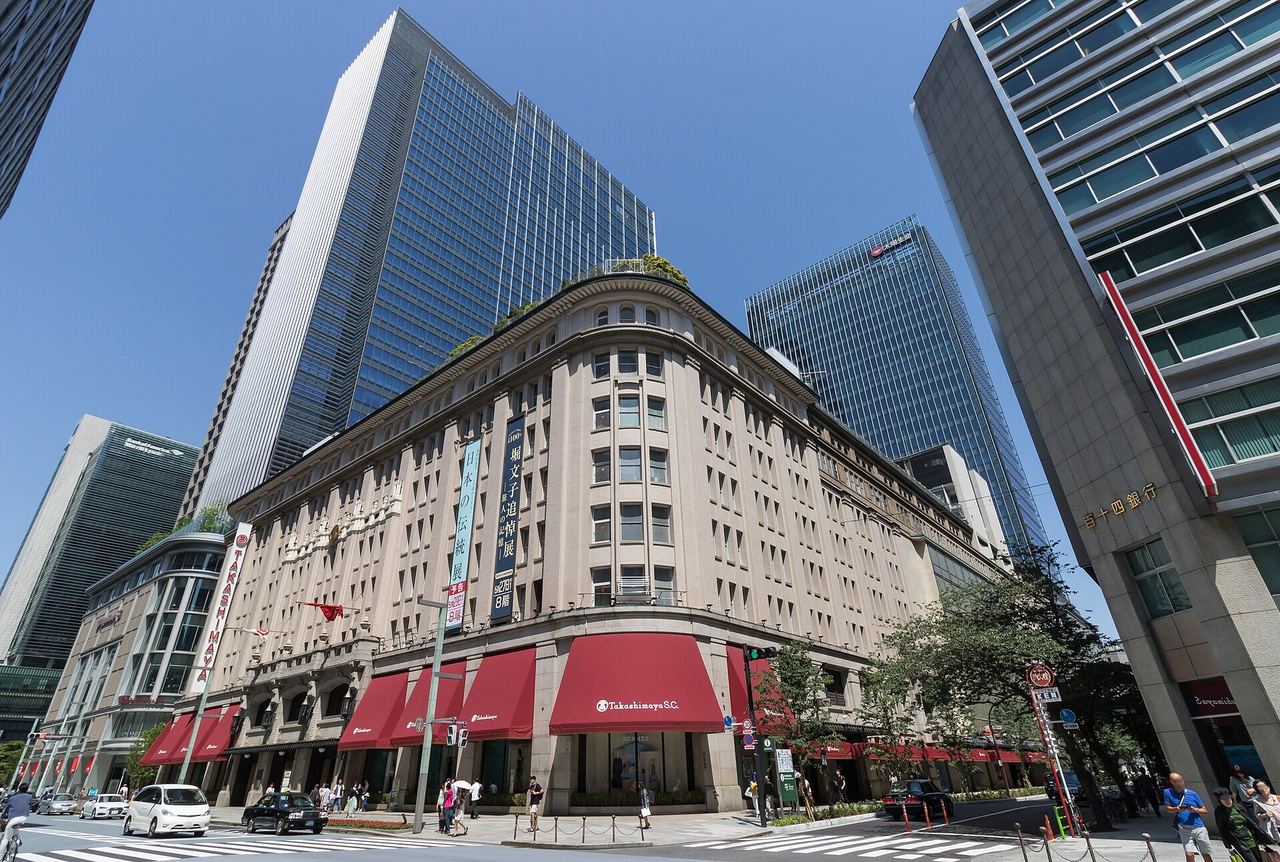
Photo Credit
Image courtesy of © Kakidai · CC BY-SA 4.0 via Wikimedia CommonsOur advice: start at Nihombashi Mitsukoshi Main Store for the building, go to Isetan Shinjuku’s men’s floors for the tailoring, and keep Dover Street Market Ginza for the afternoon. Bring your passport if you plan to shop tax-free, and allow time for alterations.
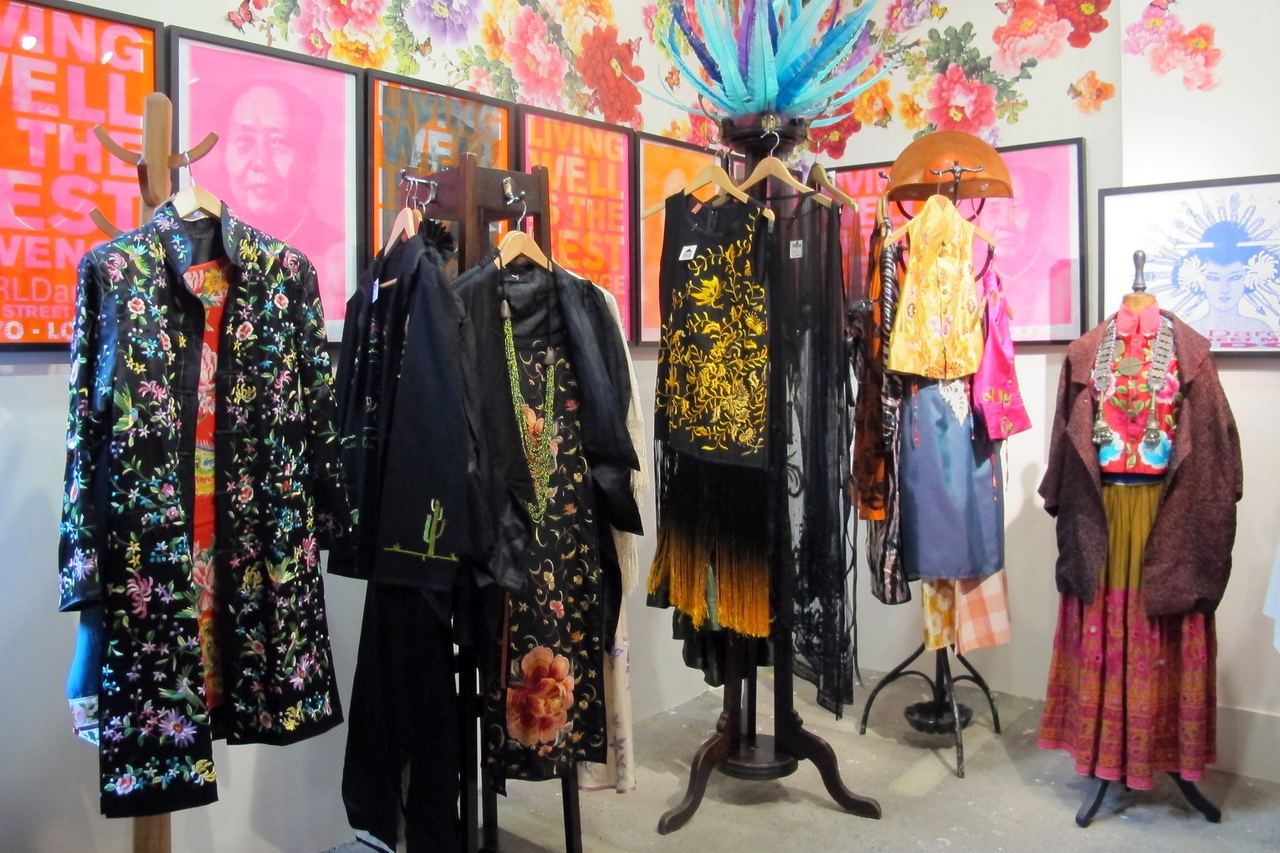
Photo Credit
Image courtesy of © wolkenfabrik · CC BY 2.0 via Wikimedia CommonsWhy it's on our list
- A draper with fixed prices
- The department store declared
- Where to be measured now
Location
The map comes from Google Maps, which sets its own cookies once it loads.
More in depth
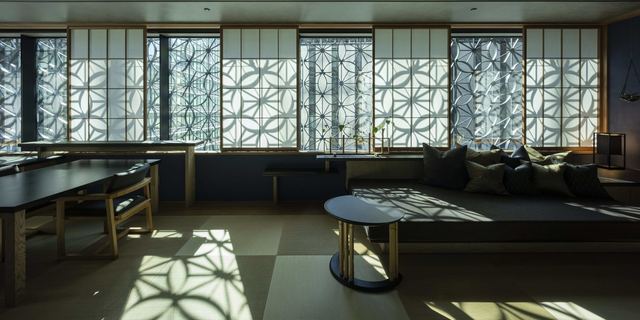 The Fitting RoomBarefoot in the city: what Tokyo’s water and tatami ask you to wearShoes off at the ryokan, no swimsuit in the onsen and borrowed shorts at teamLab: what to wear.
 The Fitting RoomMari’s dress in a prince’s house: Marimekko at the Teien, and Tokyo’s winter wardrobeMarimekko’s printed dresses in an Art Deco palace to 20 December, and silk and suits in Nihonbashi.
 The back storyTokyo at the table: eleven three-star dining rooms, and a bowl of sobaMore MICHELIN stars than any city: how to eat in Tokyo.