The Fitting Room
Barefoot in the city: what Tokyo’s water and tatami ask you to wear
Shoes off at the ryokan, no swimsuit in the onsen and borrowed shorts at teamLab: what to wear.
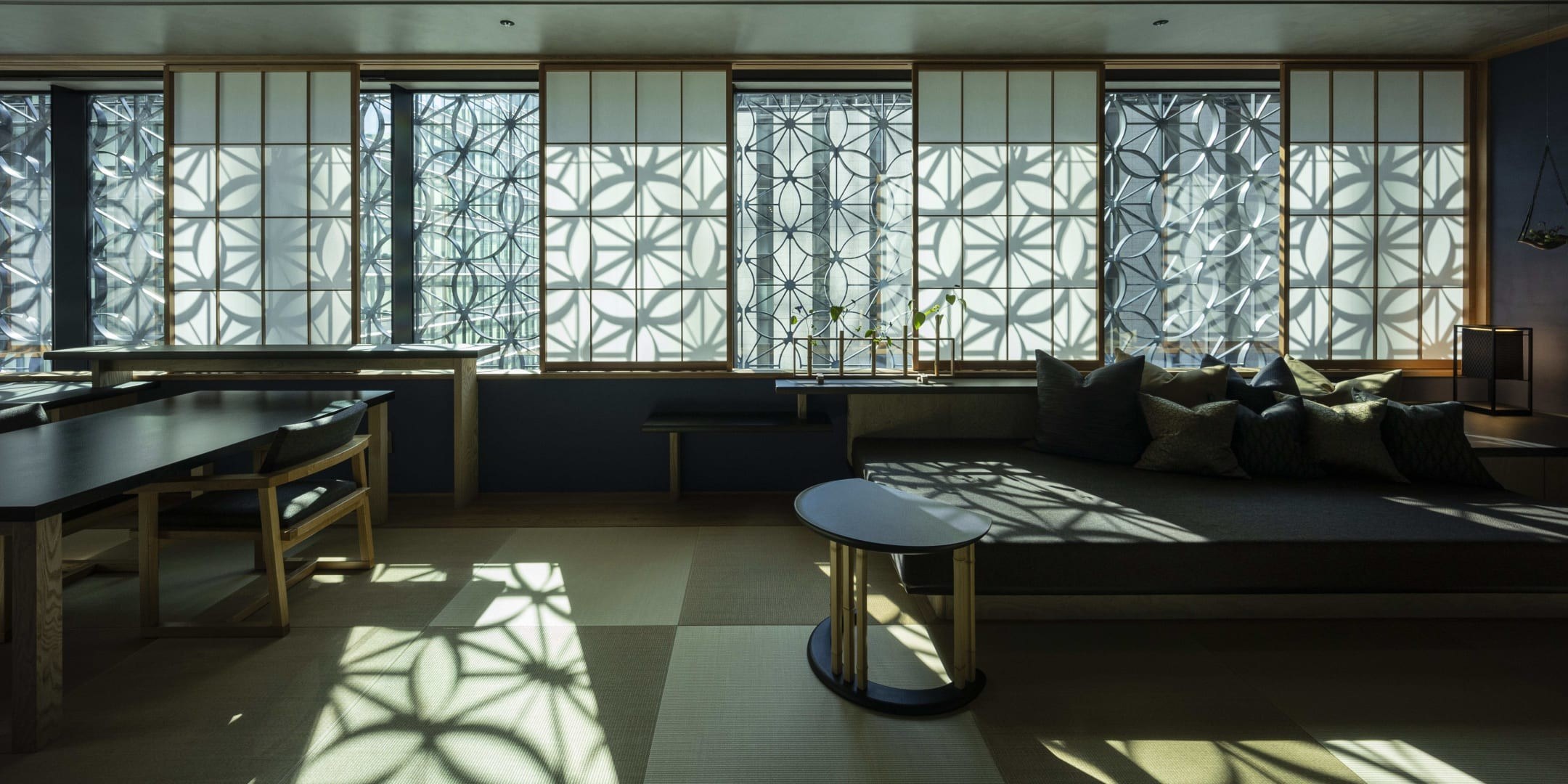
Photo Credit
Image courtesy of © HOSHINOYA TokyoTokyo has no beach, yet it asks visitors to undress more often than most resorts: shoes off at the door, swimsuits off in the bath, socks off at the museum. What should you wear, and what will you be lent? A guide to the city’s water and tatami, from a ryokan tower in Ōtemachi to a museum you wade through, checked against the venues’ own rules in November 2026.
A ryokan in a tower
HOSHINOYA Tokyo opened in Ōtemachi on 20 July 2016 and dresses its guests from the moment they arrive. Shoes come off at the entrance and no slippers are provided: the building is almost entirely connected by tatami. Each of its 14 guest floors has six rooms and is designed to feel like a small, self-contained ryokan.
In the rooms waits the house uniform: kimono-style room wear designed by Jotaro Saito. It is the most comfortable dress code in the city, and the only one in which walking about barefoot counts as correct.
The bath is fed by the Otemachi Hot Spring, which rises from 1,500 metres underground, and the open-air bath lets the wind and sounds of the city in through a lattice. It is a resort reduced to its essentials: hot water, a robe, and a skyscraper district politely ignored. The tower rises 17 floors above ground and two below, and the arrangement of six rooms to a floor means the corridor feels more like a house than a hotel.
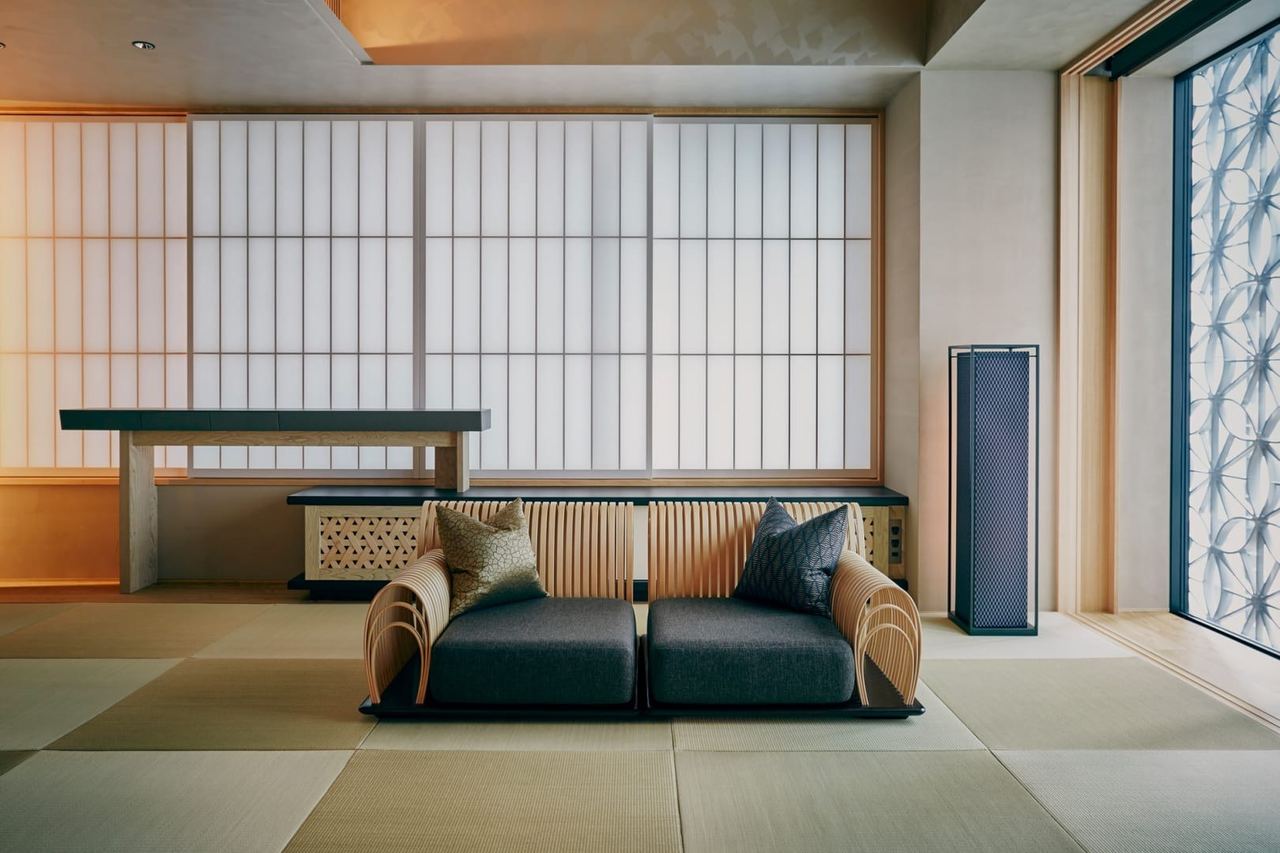
Photo Credit
Image courtesy of © HOSHINOYA TokyoThe onsen dress code
The rule for public baths is simple and absolute: no swimsuits, unless the bath says otherwise. Tokyo’s official visitor site asks you to shower before getting in, because everyone shares the same water, to tie up long hair and to keep towels out of the bath. It also warns that some facilities refuse entry to people with tattoos, and that drinking before a soak is a bad idea.
Hotels set their own rules on tattoos, and they differ, so ask before you book rather than at the door. And keep the sake for later: the city’s advice is to soak first and drink afterwards. The small towel may come into the bathing room but never into the water. Ease in slowly. For neighbourhood baths, the sento, Tokyo’s bathhouse association publishes its own English-language guide, linked from the city’s visitor site.
Tokyo has no beach, yet it asks you to undress more often than most resorts.
Knee-deep at the museum
The city’s strangest resort wear is lent at teamLab Planets in Toyosu, a museum where you walk through water. Shoes and socks come off in the locker area, and in places the water rises to knee height, even for adults. Shorts are lent without charge in sizes XS to 6L, and wraps are offered too, because some rooms have mirrored floors.
For children, teamLab suggests clothes they don’t mind getting wet, or a change. Footwear matters too: some works cannot be visited in sandals without heel support or in high heels. For adults, the lesson is the same as at the ryokan: in Tokyo, the right outfit is often the one you are handed at the door. Re-entry is not permitted, so finish your paddling before you head for the exit.
Our advice: pack socks without holes, light trousers that roll up, and nothing you would mind folding into a locker. For the theatre, Kabuki-za asks only that you take your hat off; and since there is no cloakroom, only coin lockers, travel light. For grooming, our Beauty & Grooming list covers the rest.
Why it's on our list
- A ryokan in a tower
- The onsen dress code
- Knee-deep at the museum
Location
The map comes from Google Maps, which sets its own cookies once it loads.
More in depth
 The Fitting RoomMari’s dress in a prince’s house: Marimekko at the Teien, and Tokyo’s winter wardrobeMarimekko’s printed dresses in an Art Deco palace to 20 December, and silk and suits in Nihonbashi.
 The Fitting RoomFrom kimono drapers to department stores: how Tokyo learned to sell a suitEchigoya’s fixed prices, Isetan’s men’s building and a two-suit sale: Tokyo’s tailoring back story.
 The back storyTokyo at the table: eleven three-star dining rooms, and a bowl of sobaMore MICHELIN stars than any city: how to eat in Tokyo.